
All in good time
and a recipe for preserved lemons worth waiting for

To everyone new here, welcome. I’m Elizabeth, the writer of The Delicious Bits Dispatch, a weekly missive for the curious, blending discovery, reflection, and musings, always wrapped up with a seasonal recipe worth lingering over.
In what has turned into another dark moment, it would feel strange to write my weekly post without acknowledging the events of the past few days, and the terrible weight of uncertainly that hangs over so many. As events unfold it’s hard to imagine what we might look forward to with certainty.
While there’s no easy answer, this is when we can turn toward the ordinary rhythms and small rituals that steady us. It is here that we find our footing and the space we need to be present and reclaim a little balance.
And so today, I am grateful for the lightness in the air that is whispering spring is coming, spring is coming. A dozen birds crowd around our feeder, preening in the sun, echoing the call. Snow is still on the ground and in the forecast, but seed catalogues are filling the mailbox with another kind of promise.
And I turn, as I’m wont to do, to the comforts of the kitchen for solace and glimmers of joy.
Anticipating the moment
Look up the opposite of “instant gratification” in a thesaurus, and what you’ll find might surprise you.
Phrases like “self-deprivation” “impulse control” “austerity” “renunciation”: all suggest that an instant moment of pleasure, delayed, is akin to some sort of painful abstinence program.
I prefer to think on the bright side. Not having something in the here and now, immediately, instead gives me a sense of anticipation. And it turns out there’s some science to back that up. Anticipating something—whether it’s an event, a holiday or even a purchase—can give us a sense of pleasure that may be even greater than the thing itself. It’s an often-ignored source of happiness, similar to the joy we get when we look back on something wonderful.
Yet there’s no denying the thrill of the spontaneous moment, the thing that doesn’t require advance planning. It’s the struggle between chasing fleeting moments of happiness today and laying the groundwork for future joy.
Perhaps the key is to choose both.
The sunshine state
Eating seasonally and locally is a good thing. Really it is. Except when you live in a cold climate and the months drag along. Cabbages, parsnips and potatoes may be all very well and good, but a little sunshine goes a long way to making these last days of winter bearable.
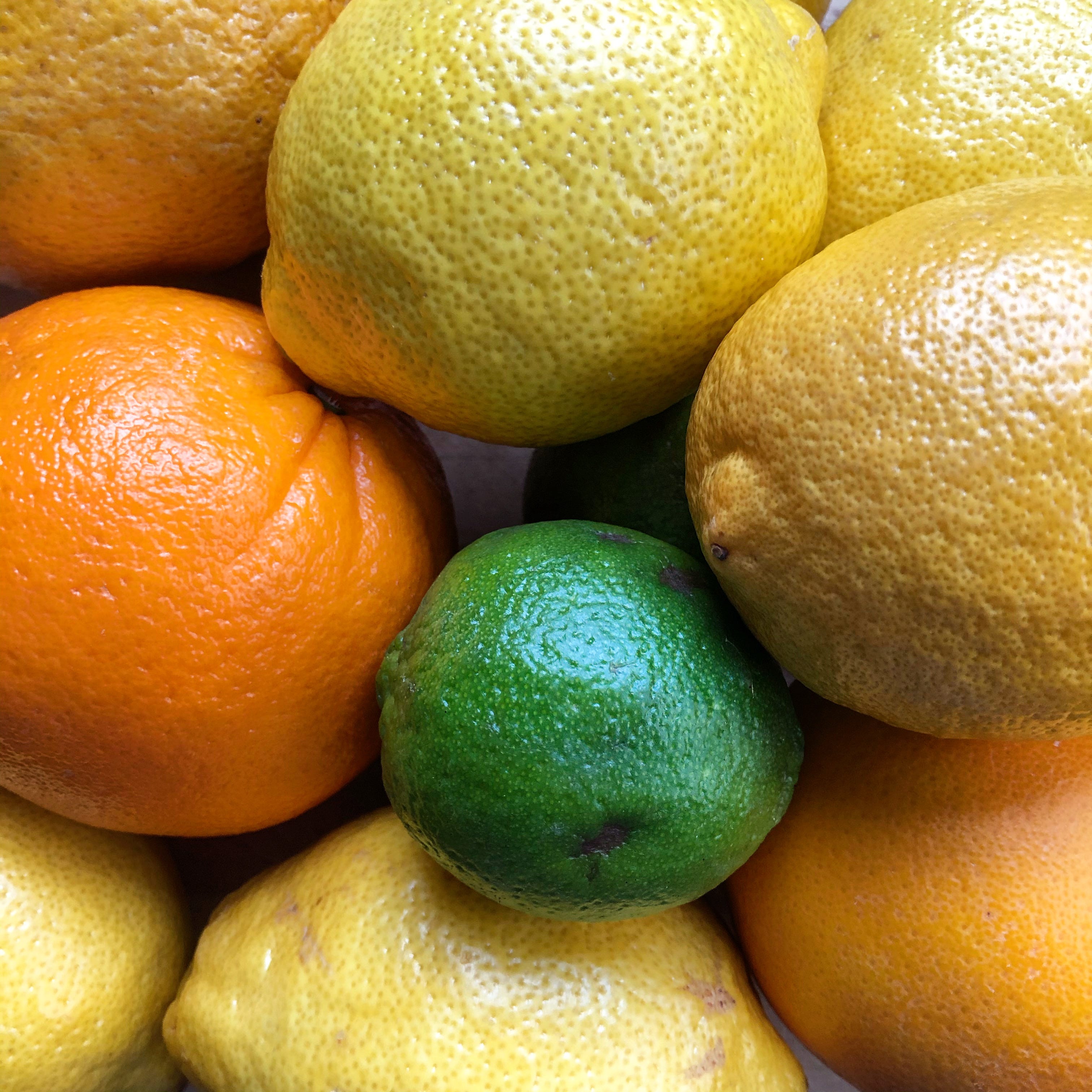
Enter preserved lemons.
When you can make something with ingredients you probably already have on hand, it’s even better when it can be made in less than 30 minutes. That’s the instant part. The anticipation comes from the slow process of letting salt and lemon juice work its magic over weeks to turn a jar of citrus sunshine into a flavour hero in your kitchen.
Preserving lemons isn’t new, of course. The first mention of the technique is widely agreed to be by Ibn Jumay, a 12th-century Egyptian physician who wrote perhaps the world's first cookbook devoted entirely to lemons, On Lemon, Its Drinking and Use. Combining lemons with salt, long a preservative in hot climates, gave cooks the ability to carry bright flavour forward into months when fresh fruit was scarce. What began as practical preservation soon became a culinary signature, especially in Morocco, where preserved lemons were added to slow-cooked stews, grain dishes, and festive meals. The taste itself became inseparable from place.
And there preserved lemons remained, largely unknown in Western kitchens until Paula Wolfert and Claudia Roden emerged on the cookbook-writing scene. Roden and Wolfert were among the first to treat North African and Middle Eastern cuisines as sophisticated traditions rather than curiosities. Preserved lemons—along with other myriad ingredients and cooking techniques—entered English-language home kitchens largely through their work.
When you just can’t wait
As I was researching the rich history of preserved lemons, I discovered a different version for preparing lemons for cooking from none other than Roden herself. Her method isn’t a true preservation at all, but a quick softening of fresh lemons—a weeknight stand-in for the slow alchemy of salt and time.
As she wrote in The Guardian in 2021:
I first made boiled lemons by chance – many years ago – because I didn’t have any preserved… I use it for Moroccan dishes, with chicken, lamb or fish, and sometimes I chop it up and put it in a salad of roast peppers and salted baby tomatoes…It is wonderful; it tastes very much better than preserved lemon. A lot of the preserved lemons you find in shops have a flavour that doesn’t taste homemade or artisanal.
In keeping with the days getting longer, inch by inch, I made up a batch of preserved lemons, and while I wait for the unique blooming of their flavour, I’ll be boiling some too, to enjoy in the here and now.
March is here. And with it, crocuses will be pushing out of the hoary ground, birds will be singing an hour earlier, and between the boiled lemons for now and the preserved jar for later, I’ll have both the present and the promise of what’s to come.
If you’re enjoying these Dispatches, a like, share, or comment helps more readers find their way here.
Preserved Lemons
Based on the traditional Moroccan method documented by Paula Wolfert in Couscous and Other Good Food from Morocco
makes one half gallon jar
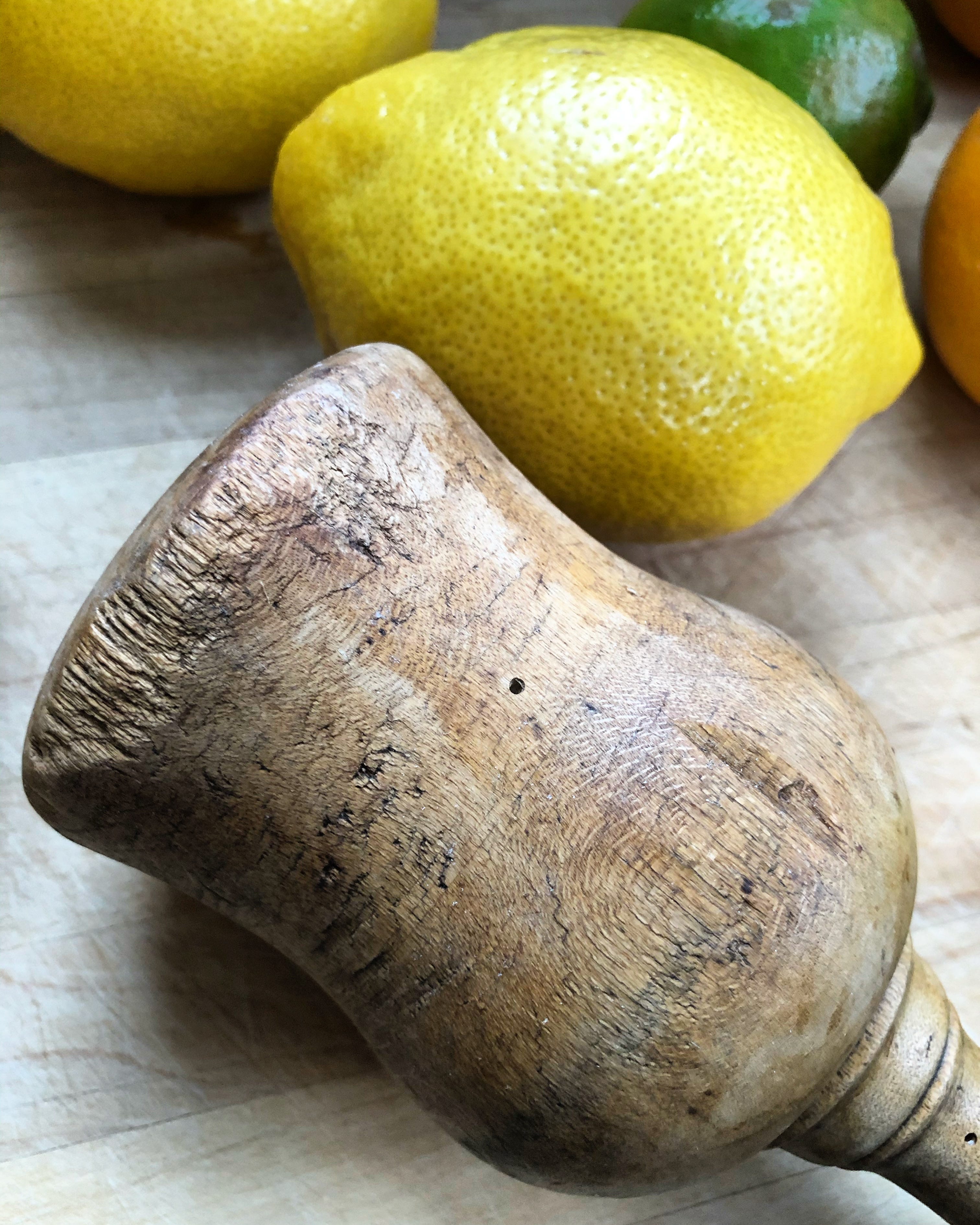
This super easy seasoning ingredient is quick to prepare, slow to mature. But like all good things, it’s well worth the wait. Be sure to scroll to the end for a link to some great ideas for using this delicious and versatile ingredient.
Special equipment:
1 half gallon wide-mouthed sterilised Mason jar (8 cup capacity)
A pestle or other flat surfaced implement to tamp down the fruit
Ingredients
1 wide-mouthed sterilized 2-quart (8-cup) glass Mason jar or two 1-quart (4-cup) glass mason jars (see Note)
10–12 unwaxed unpeeled lemons, plus 2–3 additional lemons for juicing (see Note)
1 cup kosher salt
Note:
If using two Mason jars, divide the lemons equally between the two
If using Meyer lemons, be aware they are sweeter and less acidic than standard lemons, but they preserve well using the same method.
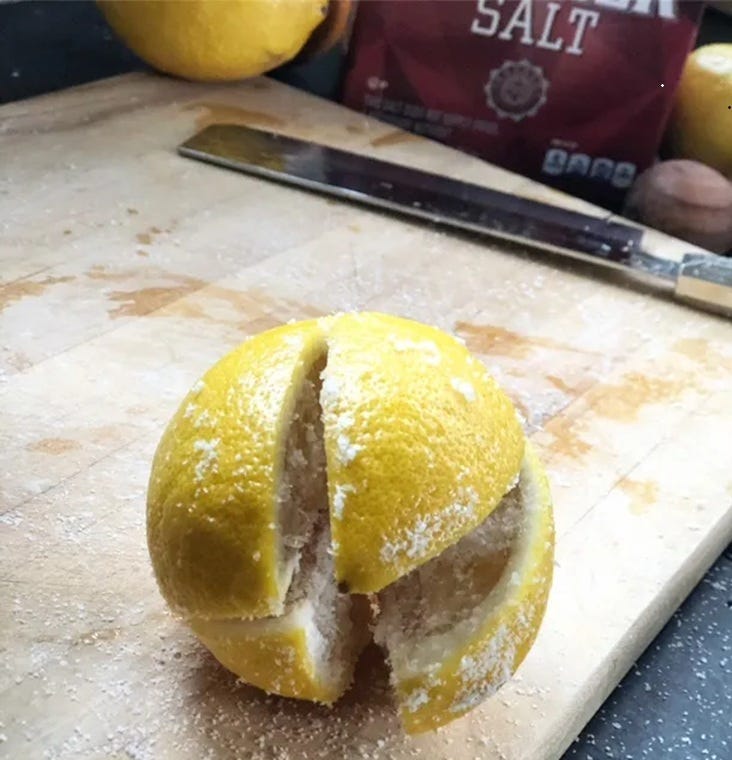
Cut 6–8 lemons lengthwise into quarters, keeping them attached at the base. Pack generously with salt inside and out. Press into the jar, packing tightly. Sprinkle additional salt between layers.
Continue until the jar is nearly full. Juice remaining lemons and pour enough juice over the packed fruit to completely submerge. Seal and leave at room temperature, out of direct sunlight, turning or shaking daily for one month.
After one month, refrigerate.
To use, rinse the quantity of fruit you need, according to your recipe, removing and discarding the pulp if it’s not required. Preserved lemons will keep up to a year. The brine can be used in dressings, marinades, and sauces.
I made preserved lemons—now what?
Preserved lemons are one of those things that sound good in theory, but are confounding in practice. Preserved lemon does work almost anywhere lemon or salt will work: it’s amazingly versatile. But telling home cooks to toss it into “everything” isn’t all that helpful, and even the classic suggestions of “tagine” and “grain salad” can only take you so far in getting through last year’s jar.
So follow the path started by Wolfert and Roden, eagerly followed by inventive chefs, and start thinking about preserved lemon in red lentil soup, shrimp pasta, radicchio and citrus salad, roasted salmon—even a preserved lemon cocktail and tea cake. Check out this post for 17 wonderful recipes to make the most of preserved lemons.
An interesting reflection today Elizabeth on things that take time for the essence to be preserved. These preserved lemons have sat in pantries as tyrannical regimes rose and fell for thousands of years. Today they represent to me the preservation of hope through dark times.
Hi Elizabeth, the mention of boiled lemons in your post reminded me of this fresh condiment/pickle my mother makes. She boils limes (preferably young, fresh ones) and after they become soft, she cuts them into quarters & seasons them with salt & red chile powder. Then tops with black mustard seeds tadka. This pickle lasts for a few days & tastes superb with rice & lentils.