
Multiplier effect
and a recipe for a Milanese minestrone soup that's always greater than the sum of its parts

To everyone new here, welcome. I’m Elizabeth, the writer of The Delicious Bits Dispatch, a weekly missive for the curious, blending discovery, reflection, and musings, always wrapped up with a seasonal recipe worth lingering over.
In the hospital, there are no quiet moments.
No time for your body to tend to itself, licking its wounds in a warm cozy burrow. The tunnel of blankets into which you are sheltered are sparse in their generosity, thin layer upon thin layer of cold comfort in this efficient, antiseptic place.
Here, health equates to ground control: pills delivered by the clock; intelligence gleaned from armies of monitors, upright sentinels that speak in numbers and beeps and the occasional high pitched squeal. The interface is human but the overall feeling is of a giant organism, moving with an awkward, sometimes terrible grace and the occasional stumble.
You learn to navigate the system, when to ring the bell for maximum attention (the 5 a.m. pre-shift change window, a 3 p.m. after-lunch lull). Oftentimes your urgency and the corresponding response don’t quite match up…when you need something now, in hospital speak you should have said something ages ago.
Still, for all the machinery and choreography, the smallest human gestures can interrupt the circuitry in an instant—moments of kindness that slip between the gears, altering the rhythm of the place and sending a gentler ripple out on fairy feet. And, suddenly, the edges of your chill room are softened, and you too feel kinder, gentler, able to act with grace in a moment of pain or discomfort.
Call it the multiplier effect.
multiplier effect
noun
: A small economic action—such as spending, investment, hiring, or government policy—that sets off a chain reaction leading to a much larger overall impact on the economy.
In economics, the multiplier effect describes how an initial increase in spending leads to a larger total increase in income. When you buy a $7 latte, the money you spend becomes the barista’s wages, the café’s revenue, and the supplier’s income—and each of them then spends those earnings elsewhere, creating a ripple effect through the economy. Your latte may be an extravagance, but its net benefits can mushroom well beyond the initial dent in your pocketbook.
A similar pattern appears in human behavior: one act of positive energy can radiate outward, uplifting many people beyond the original interaction. Just as that coffee you buy keeps money moving through the system, a simple, heartfelt emotion can keep care moving through people, allowing one small spark to light many more. A smile, a compliment, or a kind gesture acts as emotional currency whose impact may be even more meaningful than that $7 latte.¹
I learned this firsthand during my hospital stay this week. In the midst of surgery and its aftermath, it was the smallest human gestures that sustained me, proving just how far a single spark of care can travel.
There was my night nurse, Alex, who woke me gently on cue throughout the long night for my pain medications, and Liz, the cleaning lady with whom I traded stories about her native city of Lisbon—and who surprised me with a pastel de nata, a small act of generosity that tasted like heaven.
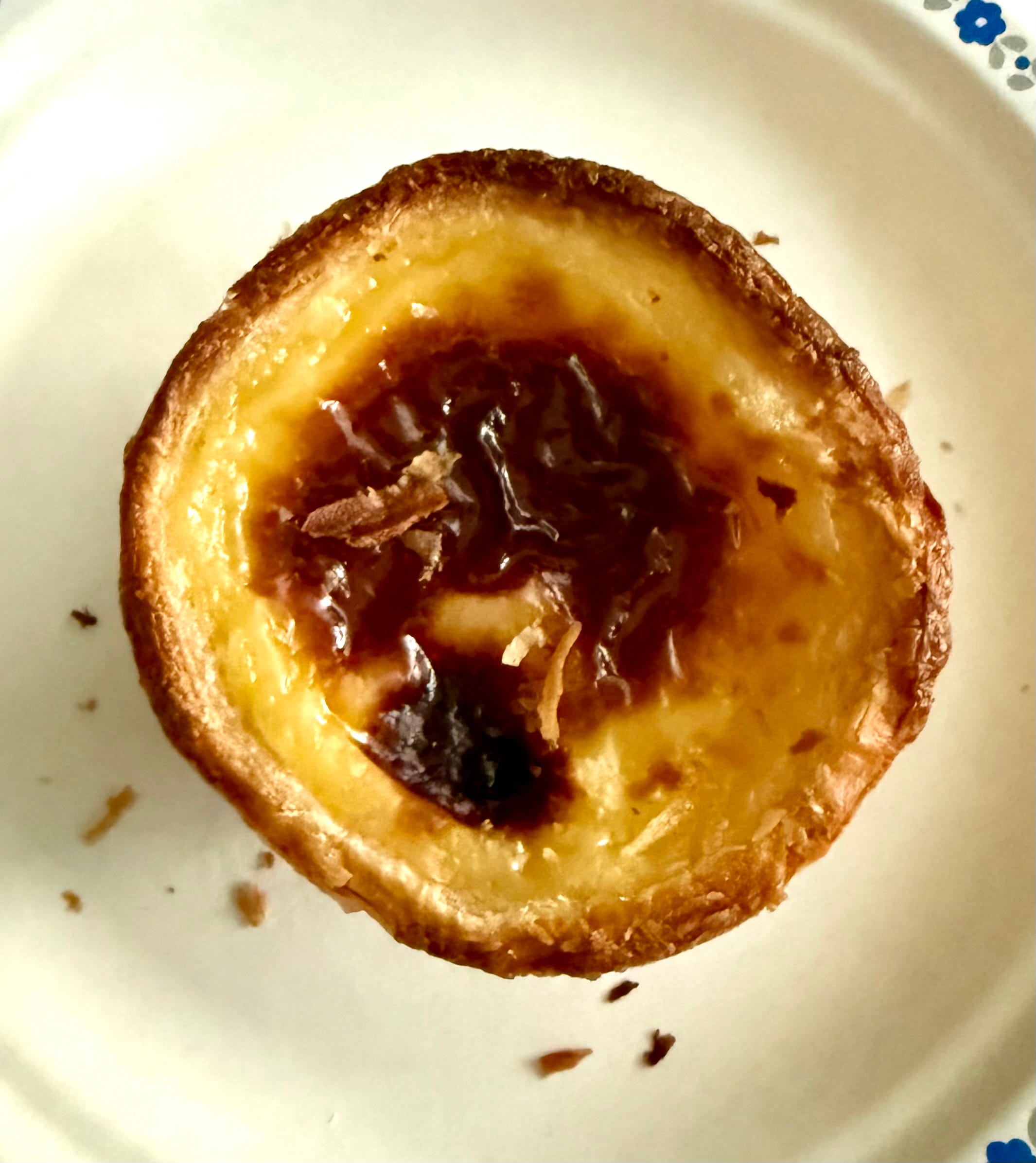
There was the MRI technician who insisted we both didn’t look our ages and credited it to us both being April babies; and the pharmacist who was momentarily disarmed when I asked about the brand of her stylish knit pants—each encounter creating a moment of connection that carried us both forward. A smile, a lightness, a simple acknowledgment that beneath the noise and the clinical choreography, two human beings had met and seen each other clearly and talked about something other than the business of being ill.
In those moments, I like to think that human kindness has the ultimate multiplier effect. Because don’t we go forward to the next interaction with the desire to create that warm glow and positive energy again? And don’t we feel regret or remorse when we let our own impatience and self-absorption get in the way of treating others with respect?
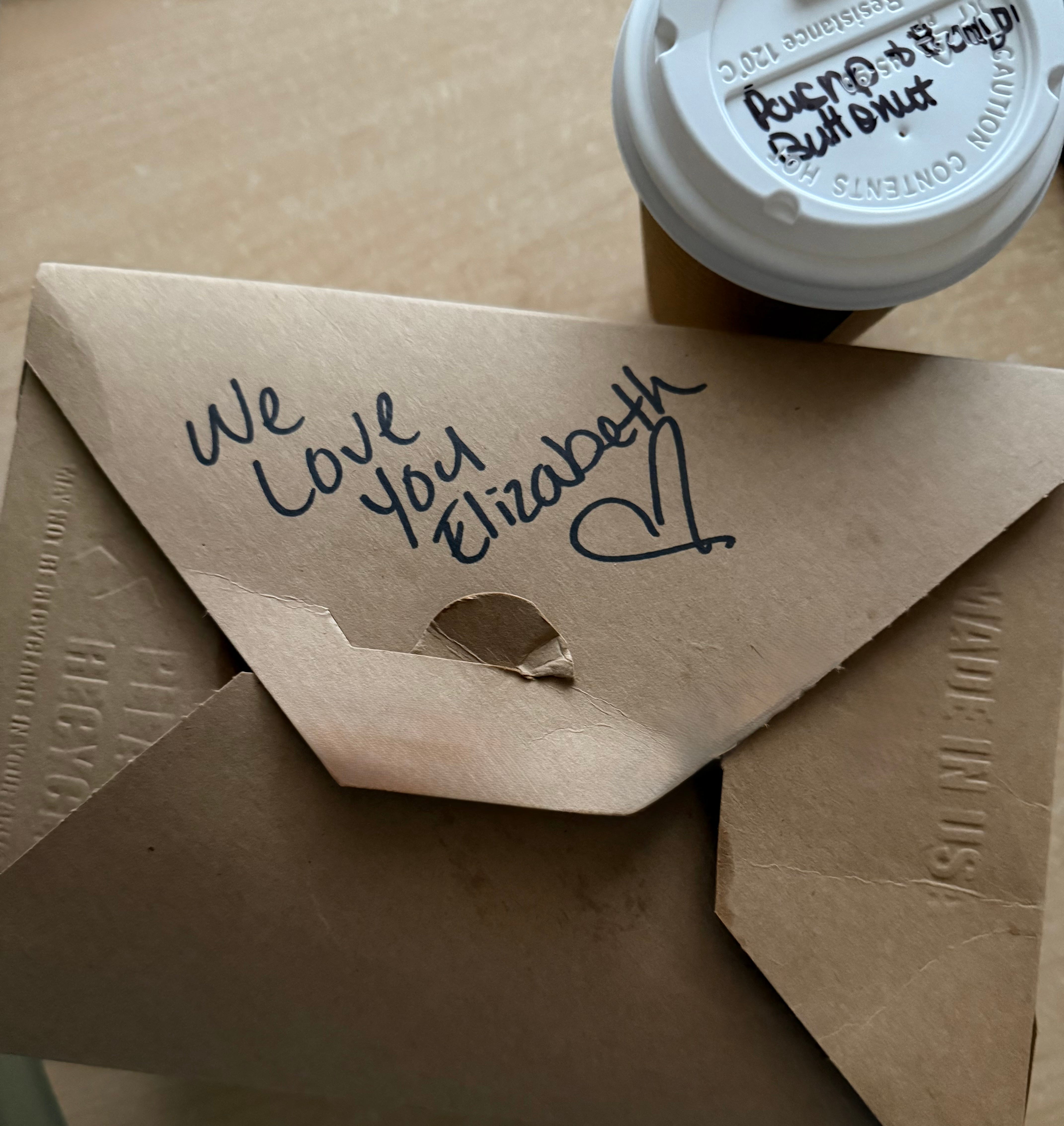
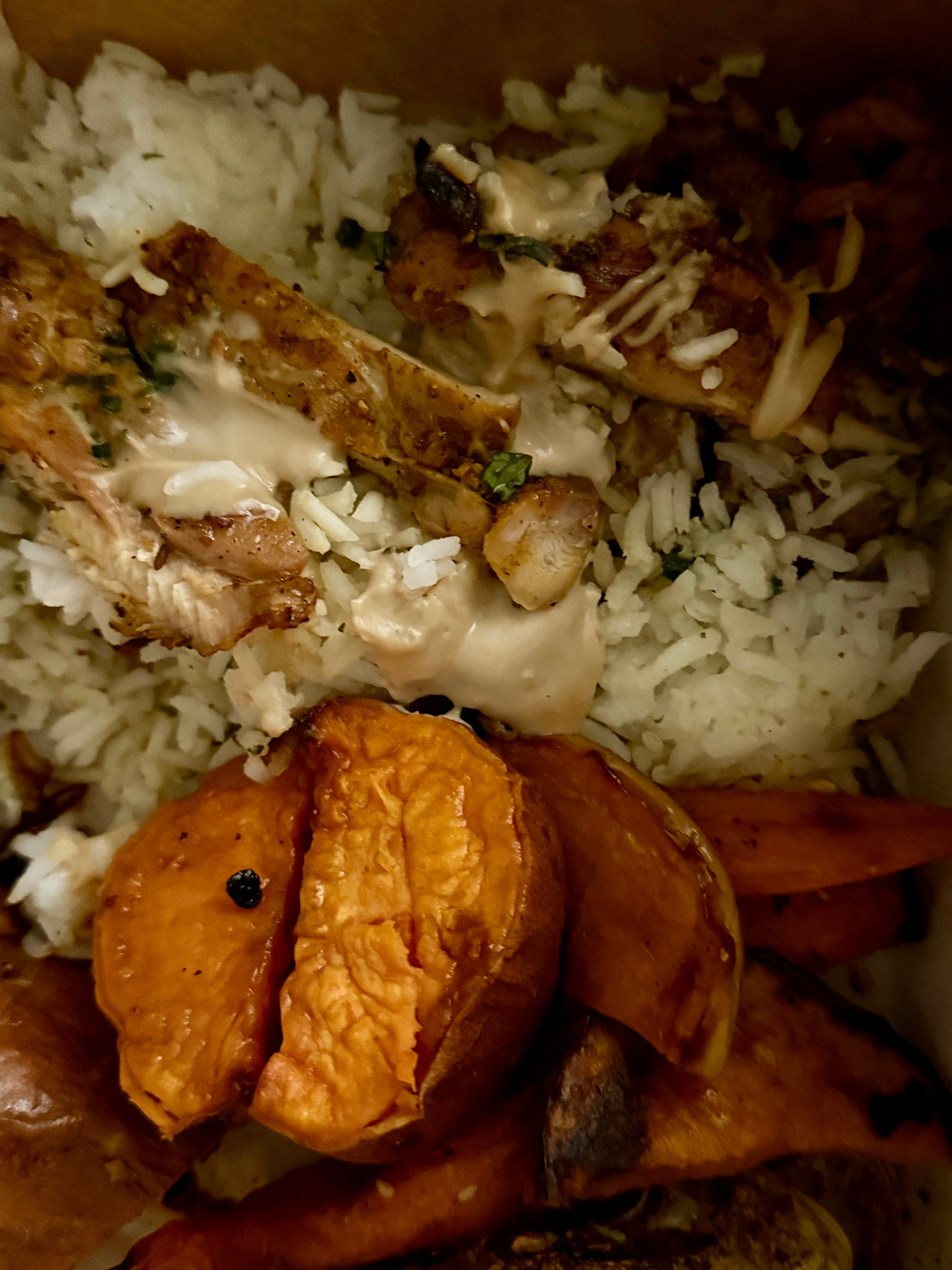
After four days that felt like a month and a week in which I was showered with love and well wishes from friends far and wide, I am grateful for so much: to be home, to be loved and to be reminded that it is in the smallest of moments that we can have the greatest of impacts.
If you enjoy these missives—and I hope you do—tap the heart, share, or comment to help new readers find their way here
Minestrone alla milanese
Gastronomy of Italy, Anna Del Conte
serves 6–8

I wrote about Anna Del Conte last week and in pulling her book off the shelf, I was reminded about how many recipes there are to love.
Richard, the resident soup maker, pulled out his pot and cutting board and over a long afternoon of opera and gentle chopping and me drifting in and out of sleep and the delicious smell of a slow-cooking pot of goodness, the multiplier effect was once again in evidence.
Note: Minestrone from Milan traditionally has the addition of rice, but for a less hearty version you can skip the rice. This soup will still be wonderfully satisfying and do its part in spreading good cheer from your head to your toes.
Ingredients
¾ cup dried borlotti beans, soaked for about 12 hours in cold water
4 tbsp unsalted butter
1¾oz prosciutto, chopped
3 medium onions, sliced
4 carrots, diced
2 celery stalks, diced
2 zucchini, diced
10½oz green beans, diced
½ cup shelled fresh or frozen peas
7oz Savoy cabbage, shredded
1½–2 quarts meat stock or chicken stock
12oz russet or Yukon Gold potatoes, peeled and cut in half
1 28-oz can Italian plum tomatoes, drained
salt and freshly ground black pepper
scant 1 cup Italian rice, preferably Vialone Nano (optional; see Note)
2½oz Parmesan cheese, grated
Drain and rinse the beans.
Melt the butter in a large heavy pot, and add the prosciutto and onions. Sauté gently for 5 minutes or so and then add the carrots and celery. After 2 or 3 minutes, add the borlotti beans.
Sauté for a further 5 minutes, stirring frequently, then add the zucchini, green beans and peas. After 5 minutes or so, mix in the cabbage. Stir everything together for about 5 minutes to coat in the fat.
Add the stock, potatoes, tomatoes and salt and pepper to taste. Bring to the boil, cover the pan and simmer over a very low heat for about 3 hours, or unitl the beans are cooked through.
Using a slotted spoon, lift out the potatoes, mash them with a fork, then return them to the soup. Taste and adjust the seasoning.
Add the rice and cook for about 10 minutes, until al dente. Stir in 4 tablespoons of the Parmesan and serve the remaining cheese separately.
Thinking of you, Elizabeth and wishing you good health🧡
Eliz-your note is a brilliant, dare I say clinical deconstruction of the hospital experience. This should be expanded into a guidebook for every potential patient who has the need to be in a hospital environment. It is never strictly enjoyable but you point out so well that it can have meaning and positive emotion which ultimately aids recovery and gets one home in the shortest possible time.