
On hope and the promise of spring
and a recipe for Persian rhubarb khoresh, a wonderful lamb stew

To everyone new here, welcome. I’m Elizabeth, the writer of The Delicious Bits Dispatch, a weekly missive for the curious, blending discovery, reflection, and musings, always wrapped up with a seasonal recipe worth lingering over.
There’s a feeling of expectancy in the air.
The first day of spring arrived last week, and I don’t need an artificial springing forward of the clocks to tell me so. Even before last weekend, the birds have been calling to me earlier and earlier with their morning song. “Wake up, sleepyhead,” they beckon. “The shoots are poking through the ground, the snow is melting. Wake up!”
March 20 also marked Nowruz, the Persian New Year. Always coincident with the spring equinox, Nowruz is a 13-day festival centred around the earth’s cycle, fresh starts, growth, rebirth and a celebration of nature. The lead up to Nowruz might also involve khune tekuni: spring cleaning. It literally means shaking the house up. In the act of opening the windows wide, beating the carpets, washing the windows to a sparkling shine, the path forward is paved for fresh beginnings.
And yet, renewal is never untouched by the world around us.
It’s impossible not to acknowledge the war in the Middle East and the weight it carries for so many. For those living through violence, uncertainty, and loss, the idea of fresh beginnings can feel painfully out of reach. And yet, spring and Nowruz endure. They arrive, a reminder that even in the darkest of times, the cycle of life continues. That cycle offers something important…the promise, however fragile, that hope can still take root.
Spring drew on…and a greenness grew over those brown beds, which, freshening daily, suggested the thought that Hope traversed them at night, and left each morning brighter traces of her steps.
—Jane Eyre, Charlotte Brontë
What is it we want? So many things, right now. Immeasurable. Small and personal. Vast and wide-reaching. Above all, we want the promise of spring to seep into the heart of darkness that surrounds us.
It’s no coincidence that as the earth awakens and shrugs off its winter mantle, it shakes our foundations. We are propelled forward, sometimes with our heels dragging, towards the sun.
It’s been easy to fall back into despair, to lose faith, to abandon hope. But the earth around us is wise beyond measure. She marches forward with a springtime palette of tender green, daffodil yellow, crocus white, rhubarb pink. Awakening us to the possibility of tomorrow. Above all, spring reminds us that hope is perhaps Mother Nature’s best gift.
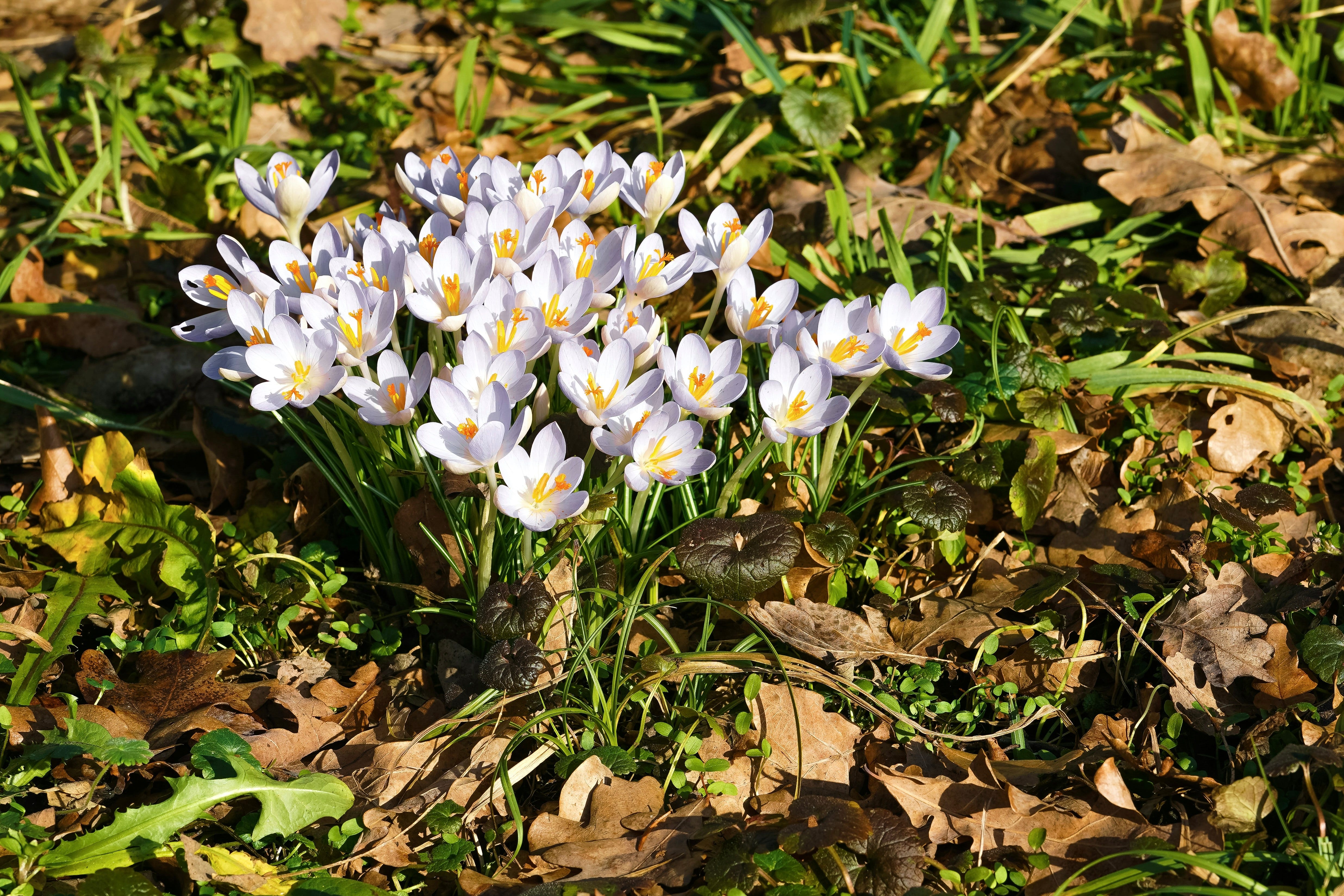
I don’t know about you, but I am finding that in this season of new beginnings, I have a naive faith in human goodness.
Spring will come and so will happiness. Hold on. Life will get warmer.
—Anita Krizzan
Indeed.
Enjoying The Delicious Bits Dispatch? Show your support with a like ❤️ or comment; it helps more readers find their way here.
Rhubarb khoresh (khoresh-e rivas)
Food of Life, Najmieh Batmanglij
serves 6-8
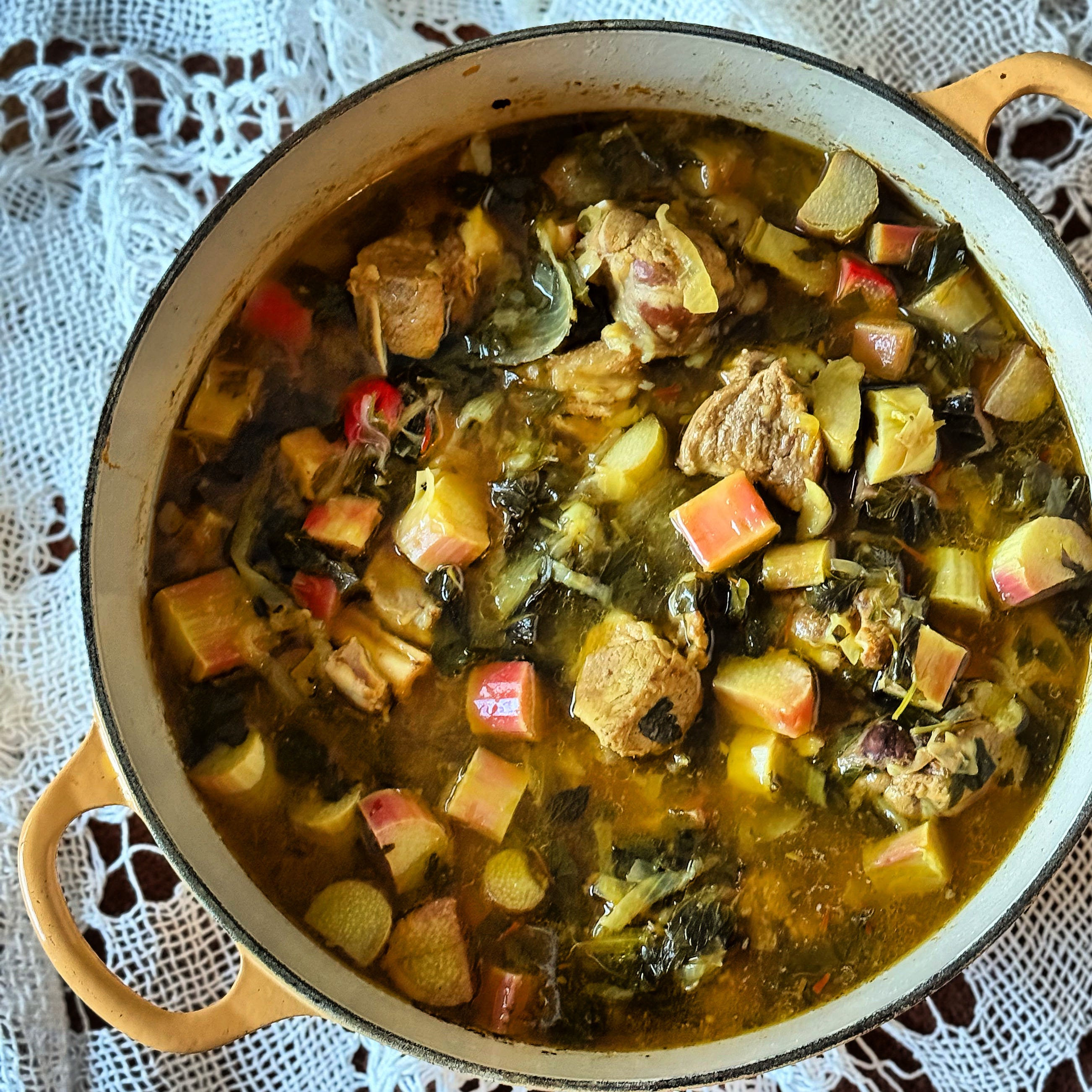
While forced rhubarb hasn’t found its way to the greengrocer yet, visions of the delicate pink stalks have been haunting me from my friends across the pond. As I wait impatiently for its arrival, I’ve been thinking about what I’ll make first.
When I thumb through my cookbooks for recipes with rhubarb, desserts top the list. But if I dig a little deeper, the savoury side of rhubarb makes an appearance. Beyond rhubarb chutney or a mostarda, there are new treasures to be discovered.
In Persian cuisine, the use of the word khoresh is a general term that refers to stews of all kinds. Many Persian stews are known for their tangy character, often achieved through the use of souring agents such as sour grape juice (verjus) or dried limes. Rhubarb finds a unique place in khoresh-e rivas, a slow braised stew that combines meat or chicken with the vibrant flavours of parsley, mint, saffron, and fresh rhubarb. It’s not the work of thirty minutes; this stew is braised in stages, with a final finish in the oven to gently cook the rhubarb.
You’ll be well rewarded for the effort with this highly flavourful dish. Serve it over rice or, if you want to stay true to its Persian roots, a rice scented with saffron is lovely too.
Ingredients
4 tablespoons neutral oil, butter, or ghee
2 medium onions, peeled and thinly sliced
1 pound stewing meat (spring lamb is best but you can also use beef or veal, or boneless, skinless chicken thighs, cut into 2-inch cubes)
1½ teaspoons sea salt
½ teaspoon freshly ground black pepper
½ teaspoon turmeric
3 cups chopped fresh parsley
½ cup chopped fresh mint
¼ teaspoon ground saffron dissolved in 1 tablespoon rose water or water
1 tablespoon tomato paste
2 tablespoons fresh lime juice
1 pound fresh rhubarb, trimmed and cut into 1-inch pieces
In an ovenproof Dutch oven, heat 2 tablespoons oil over medium heat and brown onions and meat, about 10 minutes. Add salt, pepper, and turmeric, and sauté for 1 minute.
Pour in water—2½ cups for meat and 1½ cups for chicken. Bring to a boil, lower to a simmer, cover and cook over low heat: 1 hour for meat and 1¼ hours for chicken, stirring occasionally.
While the meat is cooking, in a wide skillet, sauté parsley and mint in the remaining 2 tablespoons oil over medium heat for 10 to 15 minutes until aromatic.
When the meat has simmered for an hour, add parsley and mint mixture, saffron-rose water, tomato paste, and lime juice to the Dutch oven. Cover and simmer 55 minutes longer over low heat.
Heat oven to 350°F (180°C). Arrange the rhubarb on top of the meat. Place a piece of parchment paper over the khoresh and pierce several holes in the paper with a skewer. Secure the parchment paper in place with a tight layer of aluminum foil. Pierce several holes in the foil and place the Dutch oven in the oven. Cook for 25 to 35 minutes or until the rhubarb is tender. Rhubarb is fragile; the pieces must be cooked but not to the point of dissolving or falling apart.
Gently mix the rhubarb into the khoresh, taste and adjust seasoning. If the khoresh is too sour, add 1 tablespoon sugar.
Serve over saffron-scented or plain steamed rice.
What a beautiful piece about Nowruz. It’s never felt more important to acknowledge and welcome in Spring. Nature can’t be dealing with all this madness. 🌸🌷🌸
Lovely article thanks Liz.😊🌸